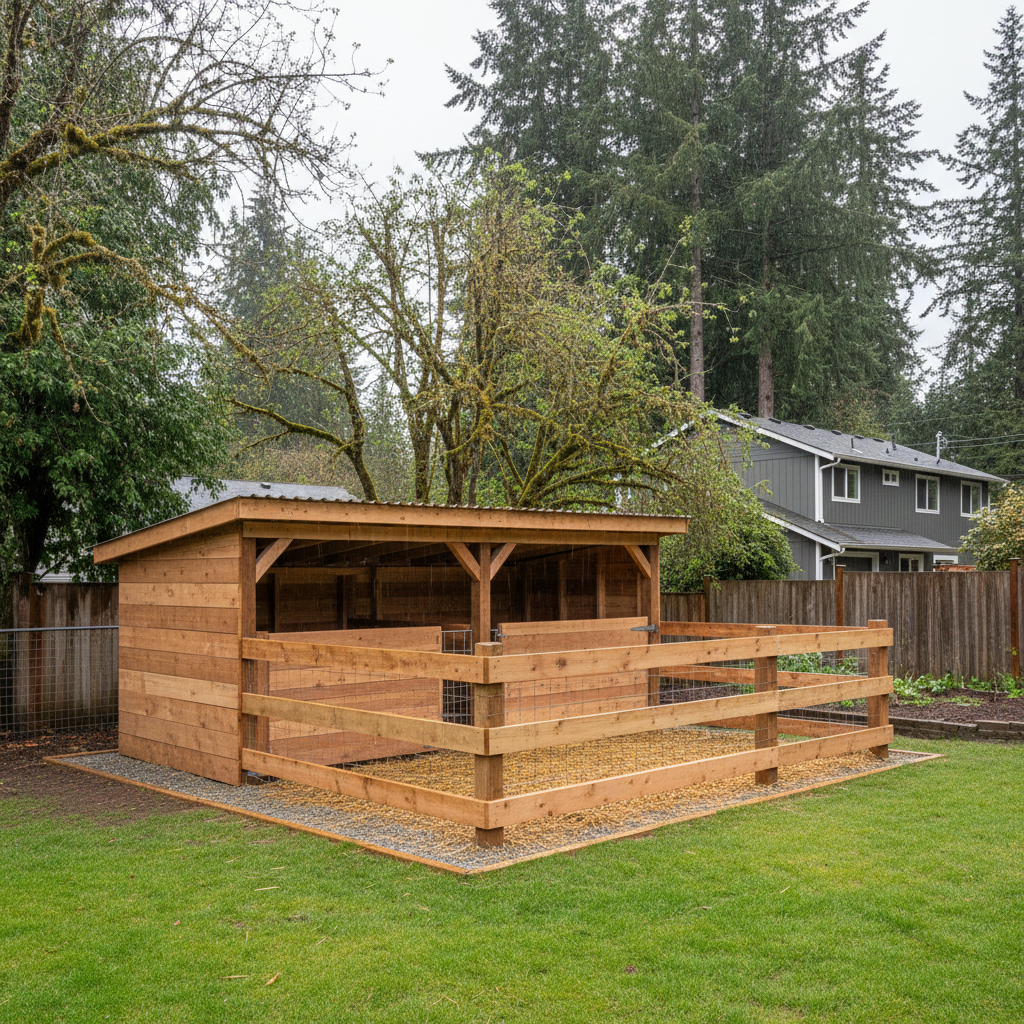
Alright, so you've decided you need a shed. Great. Now comes the trickier part: finding someone to actually build the thing. This isn't like buying a new appliance, you know; you're inviting someone onto your property to do real work. You need to be careful, especially here in Seattle, WA, where it seems everyone's got a cousin who 'does construction.'
I've been building sheds for years with Seattle Shed Builders. I've seen plenty of good work, sure, but also, frankly, a lot of shoddy stuff. So, let's talk about how to make sure you're getting the good stuff.
Questions to Ask Any Potential Shed Builder
When you're talking to a builder, don't be shy. This is your money, your property. Here's what you need to hit them with:
- Can I see your license and insurance? This is non-negotiable, truly. If they can't produce both, or they start to hem and haw, just end the conversation. A legitimate contractor will have no problem showing you their contractor's license number (L&I in Washington State) and proof of liability insurance. It protects you if something goes wrong, after all.
- How long have you been building sheds specifically? Someone who's only built decks might not understand the finer points of shed construction, especially with our unique Seattle weather. You want someone with relevant experience, plain and simple.
- Do you provide a written warranty for your work? A good builder stands behind what they build. Ask what their warranty covers and for how long.
- Can you provide references? And don't just take their word for it. Call those references! Ask about the builder's communication, their timeliness, how tidy they were, and if the final product actually matched what the customer expected.
- How do you handle permits and HOA requirements? Depending on your shed's size and where it's going, you might need permits from the City of Seattle. Some neighborhoods, like Magnolia or Queen Anne, even have stricter HOA rules. You want a builder who knows the drill or at least knows how to guide you through it.
- What's your typical timeline from start to finish? This helps you manage expectations. Delays happen, of course, but a good builder will tell you about them proactively.
What to Look for in a Quote
You'll get a few quotes, and they won't all look the same. Don't just pick the cheapest one, by the way. That's a rookie mistake.
- Detailed breakdown: A good quote isn't just one big number. It should itemize materials (like lumber, roofing, siding, and the foundation type), labor, and any other costs, such as demolition or site prep. If it's vague, ask for clarification.
- Scope of work: Does it clearly state what's included and what's not? For example, does it cover painting, shelving, or electrical? Make sure you both agree on the exact scope.
- Payment schedule: Legitimate contractors typically ask for a deposit upfront, but it shouldn't be the whole amount. A common structure involves a deposit, progress payments, and a final payment once the job is complete and you're satisfied. Be wary of anyone asking for 50% or more upfront, especially for smaller projects.
- Change order process: What happens if you decide halfway through that you want a window moved? A good quote or contract will outline how changes are handled, usually with a written change order that adjusts both the cost and the timeline.
Red Flags to Watch Out For
Trust your gut. If something feels off, it probably is.
- No written contract: Never, ever proceed without a detailed, written contract. A handshake deal is just asking for trouble.
- Cash-only demands: While some small payments might be cash, a builder who insists on only cash for the entire project is likely trying to avoid taxes, and that's a huge liability for you.
- High-pressure sales tactics: