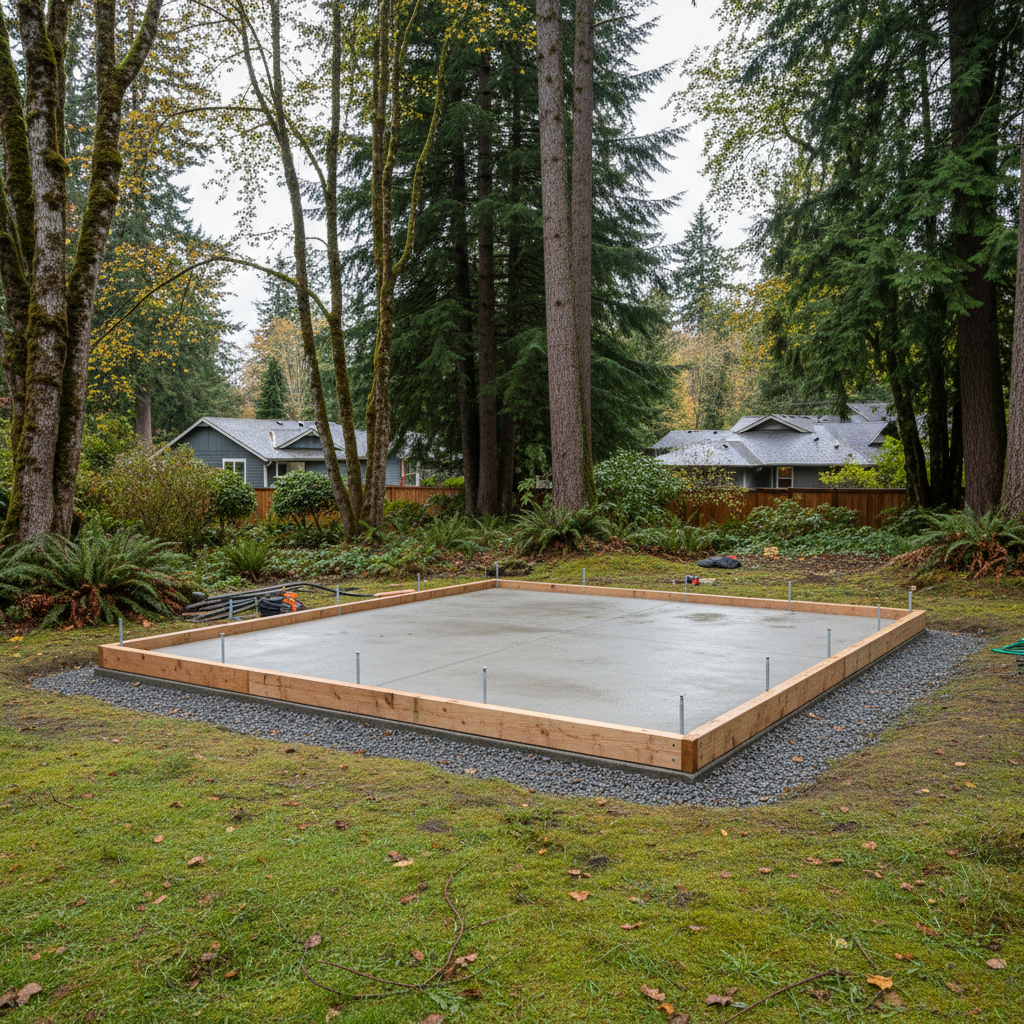
Alright, let's talk shed foundations. It's not the sexiest part of building a shed, I get it. Everyone wants to talk about siding, windows, or how many tools you can cram in there. But if you mess up the foundation, none of that other stuff matters. You'll have a leaning, rotting mess before you know it. I’ve seen it too many times here in Seattle, and it usually comes down to a few common mistakes.
Underestimating Seattle's Soil and Rain
First off, you can't just plop a shed down on a few concrete blocks and call it a day, especially not here. We get a lot of rain. A lot. And our soil? It's not all firm, well-draining stuff. You might have clay, or sandy loam, or even some of that glacial till that's been sitting around since the last ice age. What works for a shed in Arizona isn't going to cut it when you're dealing with our wet winters and the way water moves through the ground.
A big mistake is not getting a proper site assessment. You need to know what you're building on. Is there a slope? How does water drain in that area of your yard? If you don't account for runoff, you're going to have water pooling around your foundation, which leads to rot, shifting, and a whole host of headaches. I always tell folks, spend a little extra up front to get the foundation right, and you'll save a lot more down the line. It's not just about keeping the shed level; it's about protecting your investment from our relentless moisture.
Skimping on the Foundation Type
Another common blunder? Choosing the cheapest or easiest foundation without considering the shed's size, weight, or intended use. There are different types of foundations for a reason:
- Skids/Runners: Good for small, light sheds that might need to be moved. Not ideal for heavy storage or permanent structures, especially on uneven ground.
- Concrete Blocks/Piers: Better than just skids, but still need proper leveling and gravel base. If they're just sitting on dirt, they'll sink.
- Gravel Pad: A solid option for many sheds. It provides drainage and a stable base, but it needs to be deep enough, compacted well, and contained.
- Concrete Slab: The most durable and permanent. Great for workshops, heavy equipment, or sheds that need a perfectly flat, solid floor.
I've seen people put a 12x16 shed, packed with tools and equipment, on a few flimsy skids. That shed won't last. It'll settle unevenly, the doors will stick, and the frame will twist. You've got to match the foundation to the job. If you're building a shed that's going to be a home office or a serious workshop, you're going to want a slab or a robust pier system, not just some blocks on dirt. Think about the weight of what you're putting inside, not just the shed itself.
Ignoring Permits and Zoning
This one gets people into trouble. A lot of homeowners assume a shed is too small to need a permit. Not always true, especially in Seattle. Depending on the size, height, and how close it is to property lines, you might absolutely need a permit. And even if you don't need a building permit, you might have zoning setbacks to consider. You can't just build right up to your property line in Capitol Hill or anywhere else without checking.
If you build without a permit when one's required, you could face fines, or worse, be forced to tear down your brand new shed. It's a headache you don't need. A reputable contractor, like us at Seattle Shed Builders, will always discuss permits and help you navigate that process. If a contractor tells you,